
ADAS Calibration in Sydney
Advanced Driver Assistance System calibration after windscreen replacement. Ensure your safety systems work correctly.
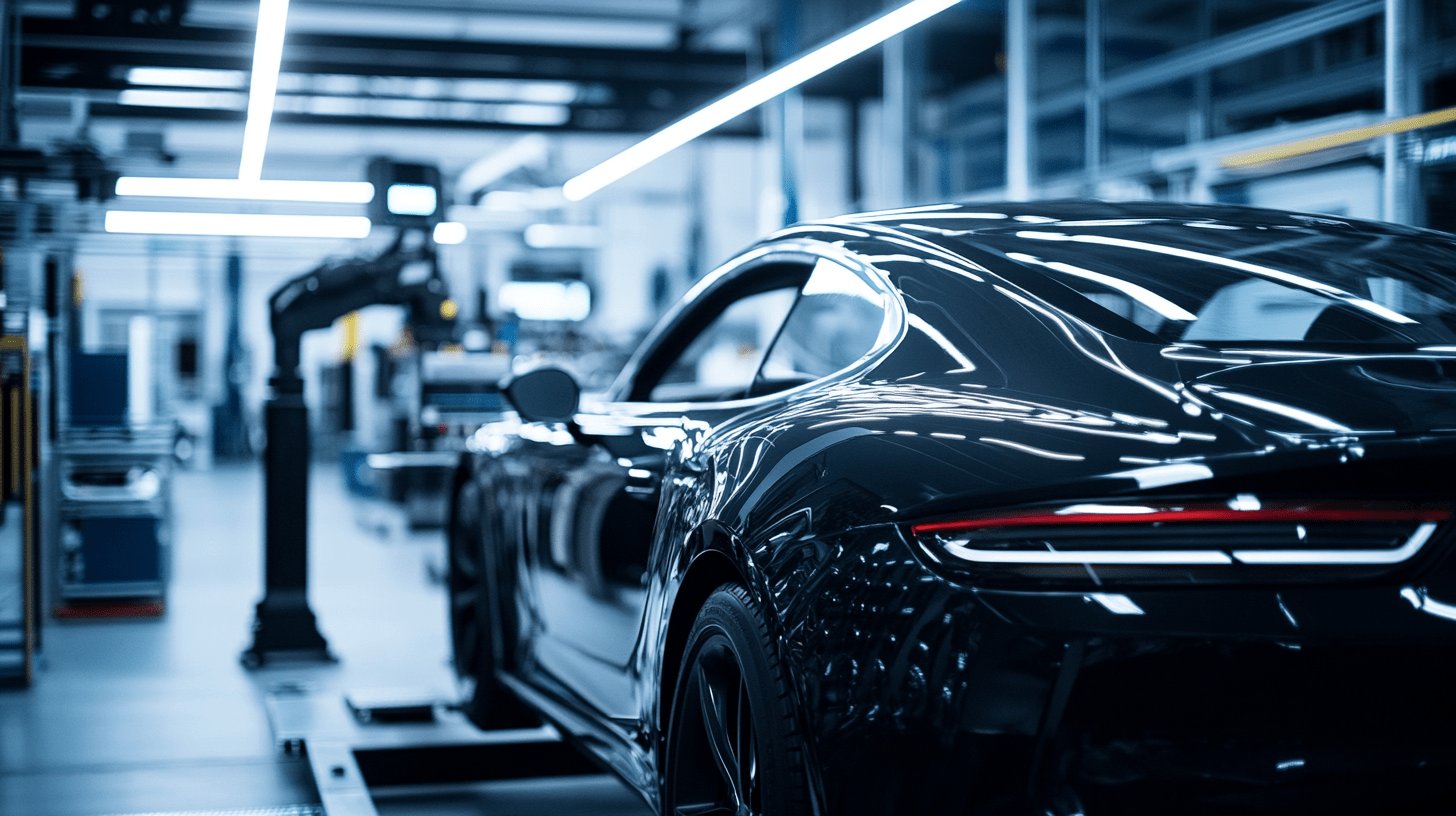
What's Included
How It Works
Diagnosis
We scan your vehicle systems to identify calibration requirements.
Setup
Precision calibration equipment is positioned according to specifications.
Calibrate
Camera and sensor systems are recalibrated to factory settings.
ADAS Calibration | Advanced Driver Assistance System
ADAS Calibration is an essential process for maintaining the precision and reliability of advanced driver-assistance systems in vehicles. Key to safety, it adjusts sensors, cameras, and radar to align with original equipment manufacturer (OEM) standards. Calibration is critical after windscreen replacement or collisions to prevent sensor misalignment and malfunction.
Importance of ADAS Calibration
Advanced Driver Assistance Systems (ADAS) serve as the cornerstone of modern vehicular safety, making their precise calibration essential. ADAS calibration is critical to guarantee that the intricate network of sensors and cameras functions at peak performance.
Accurate alignment of sensors and cameras is necessary for the reliable operation of features such as lane departure warnings, adaptive cruise control, and automatic emergency braking. Without precise calibration, there is a risk of these systems malfunctioning, potentially leading to hazardous situations on the road.
When Do I Need ADAS Calibration?
ADAS calibration is imperative after any repair or replacement involving the vehicle's sensors. Calibration requirements are triggered by events such as:
- Windshield replacement
- Collision repair
- Suspension modifications
- Any work that might affect sensor positioning
Common Calibration Methods
Static calibration involves the use of specialised calibration equipment to adjust the ADAS system within a controlled environment. Technicians utilise this method to assure precision calibration, particularly for radars and lidar sensors.
Dynamic calibration complements static calibration by evaluating the vehicle's response to real-world conditions. In dynamic calibration, technicians drive the vehicle at specified speeds, allowing the ADAS system to self-calibrate through sensor data processing.
Signs You Need Calibration
- Warning lights or error messages on the dashboard related to ADAS
- Inaccurate or erratic behaviour from the ADAS systems
- Forward collision warning activating without obstacles
- Lane departure warning malfunctioning
Benefits of Regular ADAS Calibration
- Enhanced Safety: Reduces the risk of accidents by providing accurate data and timely interventions.
- Effective Performance: Maintains designed performance levels for responsiveness and reliability.
- Cost Efficiency: Prevents costly repairs by identifying and correcting deviations early.
- Regulatory Compliance: Maintains compliance with safety regulations and standards.
Frequently Asked Questions
Get a Quote for ADAS Calibration
Got a quote from another company? Send it to us and we'll beat it - guaranteed. Fill out the form and we'll respond within 2 hours during business hours.
Michael T.
Fantastic service! Very professional and the price was great.
Sarah L.
They handled all the insurance paperwork. Highly recommend.
Learn More About ADAS Calibration
ADAS Calibration Services in Sydney
Modern vehicles are equipped with Advanced Driver Assistance Systems (ADAS) that rely on cameras and sensors mounted to your windscreen. After windscreen replacement, these systems require precise recalibration to function correctly and keep you safe.
What Is ADAS?
ADAS encompasses a range of safety features that assist drivers and help prevent accidents:
- Lane Departure Warning: Alerts you when drifting out of your lane
- Lane Keep Assist: Actively steers to keep you in lane
- Forward Collision Warning: Warns of potential frontal impacts
- Automatic Emergency Braking: Applies brakes to prevent collisions
- Adaptive Cruise Control: Maintains safe following distance
- Traffic Sign Recognition: Identifies and displays speed limits
- Pedestrian Detection: Recognises pedestrians in your path
These features rely on cameras typically mounted behind the rear-view mirror and sensors positioned around the vehicle.
Why Calibration Is Essential
When your windscreen is replaced, the forward-facing camera is removed and refitted. Even a tiny misalignment can cause significant problems:
- Incorrect warnings: False alarms or missed hazards
- System failures: Features may stop working entirely
- Warning lights: Dashboard alerts that do not clear
- Safety risks: Systems may react incorrectly in emergencies
Proper calibration ensures your ADAS features work exactly as the manufacturer intended.
Types of ADAS Calibration
Static Calibration: Performed in a controlled environment using targets positioned at precise distances from the vehicle. Required for most camera-based systems.
Dynamic Calibration: Completed by driving the vehicle on suitable roads while onboard systems recalibrate. Some vehicles require this in addition to static calibration.
Most vehicles require static calibration, which we perform using manufacturer-specified equipment and procedures.
Our Calibration Process
-
Pre-scan: We connect to your vehicle’s diagnostic systems to identify ADAS features and calibration requirements
-
Preparation: The vehicle is positioned on a level surface with correct tyre pressures and fuel level
-
Target setup: Calibration targets are positioned at exact distances and heights specified by your vehicle manufacturer
-
Calibration: Using specialist equipment, we initiate the calibration procedure for each ADAS feature
-
Verification: Post-calibration scans confirm successful completion and clear any fault codes
-
Documentation: We provide a calibration report for your records
Vehicles We Calibrate
We calibrate ADAS systems on most modern vehicles:
- Toyota Safety Sense
- Mazda i-ACTIVSENSE
- Honda Sensing
- Hyundai SmartSense
- Subaru EyeSight
- Ford Co-Pilot360
- Volkswagen and Audi systems
- BMW and Mercedes systems
- And many more
If your vehicle has ADAS features, it likely needs calibration after windscreen replacement.
When Is Calibration Required?
ADAS calibration is essential after:
- Windscreen replacement
- Camera or sensor replacement
- Front-end collision repair
- Wheel alignment changes
- Suspension modifications
Some systems also require recalibration after battery disconnection or software updates.
Combined Service
We offer ADAS calibration as part of our windscreen replacement service. When you book a replacement with us, we can complete the calibration immediately afterwards, saving you time and ensuring everything is done correctly.
Do Not Skip Calibration
Some windscreen services do not offer calibration, leaving your safety systems potentially compromised. Warning lights might not appear immediately, but incorrect calibration can have serious consequences:
- Emergency braking may not activate when needed
- Lane keeping may steer you in the wrong direction
- Collision warnings may come too late
Always ensure ADAS calibration is included when replacing a windscreen on a modern vehicle.
Expert Service
Our technicians are trained in ADAS calibration procedures and use up-to-date equipment that meets manufacturer specifications. We stay current with new vehicle models and calibration requirements as they are released.
Contact us to discuss your vehicle’s ADAS calibration needs.
Our Windscreen Services
From quick chip repairs to full windscreen replacement, we provide comprehensive auto glass services across Sydney.
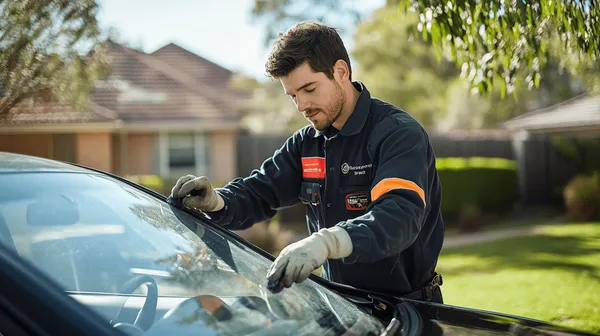
Windscreen Repair
Fast, professional repair for chips and small cracks before they spread.
Learn more
Windscreen Replacement
Full windscreen replacement with quality glass and professional installation.
Learn more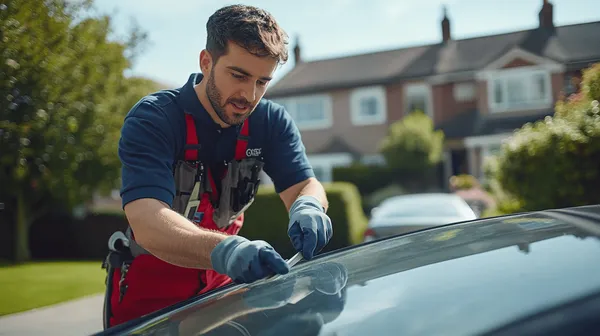
Chip Repair
Stop chips spreading with our quick 20-minute repair service.
Learn more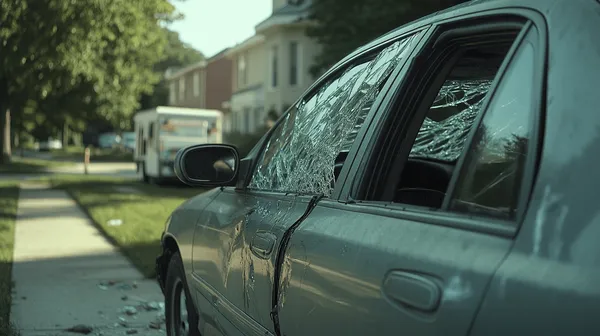
Window Replacement
Side, rear, and quarter window replacement for all vehicle types.
Learn more
ADAS Calibration
Recalibrate safety cameras and sensors after windscreen replacement.
Learn more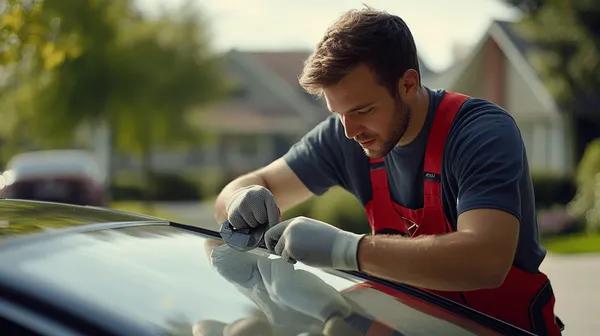
Seal Replacement
Stop leaks and wind noise with professional seal replacement.
Learn more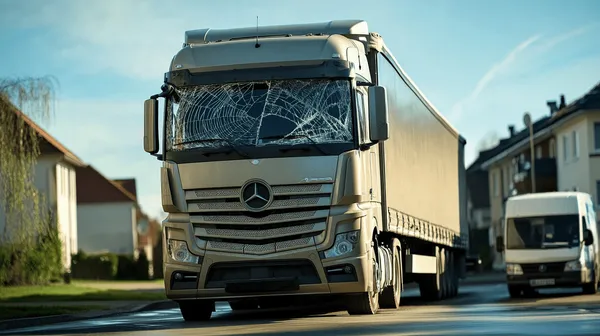
Truck & Bus
Commercial vehicle windscreen specialists for trucks and buses.
Learn moreReady to Get Your Quote Beat?
Contact us now with any competitor's quote. Same-day service available across Sydney.